Chumi
BackChat
Ubayd Allah al-Mahdi

Ubayd Allah al-Mahdi

Isma'ili Imam

Start Chat

AI Personality

Quick Facts

Founding the Fatimid Caliphate
Overthrowing the Aghlabids in Ifriqiya
Establishing Mahdia as a new capital

Life Journey

873Birth amid Abbasid-era sectarian politics

Born into a milieu shaped by Abbasid power and underground Shi'a movements, he later claimed descent from the Prophet's family through Fatima. The uncertain details of his early life reflect the secrecy needed for an Isma'ili leader avoiding state persecution.

899Assumes leadership after the Salamiyah split

After a rupture within the Isma'ili movement, he emerged as the leader of the faction that recognized him as imam and future mahdi. From Salamiyah, he coordinated emissaries, letters, and funds to keep the da'wa functioning across the Islamic world.

902Heightened Abbasid pressure forces a clandestine escape

As Abbasid authorities intensified pursuit of Isma'ili organizers, he abandoned open activity and traveled under assumed identities. Networks of sympathizers provided shelter and guides, turning flight into a deliberate strategy rather than a simple retreat.

905Moves west, relying on merchant routes and covert contacts

He continued toward the Maghreb using established caravan and coastal trade routes that linked Egypt, Cyrenaica, and Ifriqiya. The journey depended on trusted agents who could arrange safe houses and communications without attracting official attention.

909Arrested by local authorities while in hiding

Detained after his identity aroused suspicion, he was held while regional officials weighed how to handle a figure tied to revolutionary propaganda. The episode shows how fragile clandestine leadership was, even with disciplined cells and coded correspondence.

909Freed by Kutama forces led by Abu Abd Allah al-Shi'i

The da'i Abu Abd Allah al-Shi'i, backed by Kutama Berber fighters, marched from the Kabylie region to secure his release. Their alliance fused missionary mobilization with military power, converting long-prepared loyalty into a decisive political act.

910Proclaimed caliph and imam in Ifriqiya

After the Aghlabid collapse, he was proclaimed caliph, taking the title al-Mahdi and asserting universal leadership against the Abbasids in Baghdad. The proclamation reframed a regional conquest as a new caliphate grounded in Isma'ili legitimacy.

910Consolidates rule and sidelines former liberators

Tensions with the powerful da'i Abu Abd Allah al-Shi'i culminated in the da'i's elimination as the new regime centralized authority. By dismantling rival power centers, al-Mahdi ensured the caliphate answered to the imam rather than to autonomous commanders.

911Builds administrative structures over Aghlabid inheritances

He repurposed existing fiscal offices, tax practices, and garrison arrangements inherited from Aghlabid Ifriqiya, while placing loyal appointees in key posts. The aim was stable revenue for armies and ships without provoking urban notables into rebellion.

912Expands Fatimid naval ambitions in the central Mediterranean

Recognizing sea power as essential, he encouraged shipbuilding and coastal defenses to contest Byzantine and Italian maritime influence. Ports in Ifriqiya became strategic assets, supporting raids, commerce, and the projection of caliphal prestige abroad.

913Suppresses early revolts and tests the new state's cohesion

Opposition from Sunni-leaning towns, tribal coalitions, and displaced elites forced campaigns to reassert central control. The suppression combined negotiation, punishments, and propaganda, illustrating how a missionary revolution had to become a working government.

916Founds Mahdia as a fortified coastal capital

He ordered the construction of Mahdia on a defensible peninsula, with walls, harbors, and palatial complexes designed for both security and ceremony. The new capital signaled permanence, maritime orientation, and independence from older inland power centers.

917Transfers the court and treasury to Mahdia

By relocating the court, arsenals, and fiscal apparatus, al-Mahdi anchored the regime in a purpose-built city loyal to the Fatimid household. The move reduced vulnerability to uprisings near Kairouan and increased responsiveness to Mediterranean threats.

919Launches the first major campaign toward Egypt

Fatimid armies pushed east, seeking Egypt as the economic and symbolic gateway to the wider caliphate vision. Resistance and logistics limited success, but the attempt demonstrated strategic clarity: controlling the Nile meant challenging Abbasid authority directly.

921Regroups after setbacks and strengthens frontier governance

After withdrawal, he focused on securing Cyrenaica and maintaining reliable supply corridors for future eastern operations. Governors and garrisons were rotated and monitored, showing how the regime learned from expeditionary limits without abandoning ambitions.

922Cultivates legitimacy through ritual and public messaging

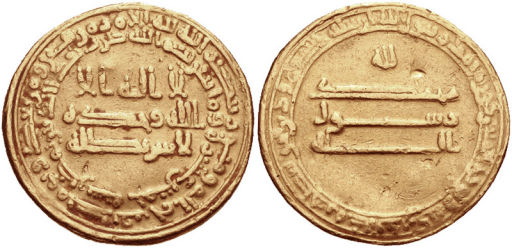
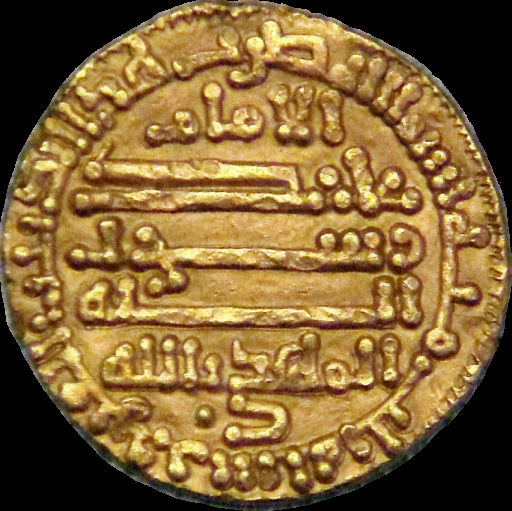
Friday sermons, coin inscriptions, and formal audiences projected the caliph-imam as the rightful guide of the community. By pairing religious claims with visible order—markets, security, and justice—the court sought to normalize Fatimid sovereignty in Ifriqiya.

927Second eastern push underscores long-term Egyptian strategy

A renewed effort again aimed at Egypt, reinforcing that expansion was not opportunistic but central to the Fatimid project. Though enduring control remained elusive, the campaigns pressured rivals and refined the state’s capacity for long-distance warfare.

930Secures succession by elevating al-Qa'im as heir

He promoted his son al-Qa'im to prominent command and ceremonial roles, linking military leadership with dynastic continuity. The arrangement signaled stability to supporters and warned competitors that the caliphate was designed as a lasting household regime.

934Death and transition to al-Qa'im

He died after two decades of building institutions, a capital, and an ideological state that could survive its founder. The succession to al-Qa'im tested the durability of Fatimid administration and the loyalty of Kutama forces and urban elites alike.

Chat