Kurzinfo
Ein Dichter und Maler der Tang-Dynastie, dessen stille Landschaften und buddhistische Einsicht Chinas Ideal einer kontemplativen Kunst prägten.
Gesprächseinstiege
Lebensweg
Wang Wei wurde auf dem Höhepunkt der Tang-Dynastie geboren, als Chang'an die Mode für Ostasien prägte. Mit klassischer Bildung und künstlerischer Ausbildung aufgewachsen, zeigte er früh Talent für Dichtung und Musik, das später seine Malerei ergänzte.
In seiner Jugend studierte er konfuzianische Klassiker neben Verskunst und Qin-Musik, eine verfeinerte Fertigkeit, die von den Tang-Eliten geschätzt wurde. Diese ausgewogene Schulung bereitete ihn sowohl auf die Staatsprüfungen als auch auf die anspruchsvolle ästhetische Kultur des Hofes vor.
Noch bevor er ein bedeutendes Amt innehatte, ließ er Gedichte unter Beamten und Gelehrten zirkulieren und erhielt Lob für Klarheit und beherrschte Empfindung. Seine Stimme passte zur Tang-Vorliebe für elegante Zurückhaltung und deutete zugleich eine tiefere buddhistische Ruhe an.
Wang Wei bestand die stark umkämpfte Jinshi-Prüfung und öffnete damit den Weg zum Dienst in der Tang-Bürokratie. Dieser Erfolg stellte ihn in die intellektuelle Elite des Reiches und brachte ihn in den Blick von Gönnern am Hof.
Er erhielt eine erste Ernennung und begann, sich in den Ritualen und der Politik des Tang-Hofes zu bewegen. Seine geschliffene Dichtung und sein musikalisches Können machten ihn bei Zusammenkünften willkommen, in denen Poesie als soziale Währung und politisches Signal diente.
Mit dem Fortschreiten seiner Laufbahn schrieb er Gelegenheitsgedichte für Freunde und Beamte und formte so eine öffentliche literarische Identität. Diese Austauschbeziehungen verbanden ihn mit Netzwerken, zu denen auch bedeutende Dichter und Staatsmänner am Hof von Kaiser Xuanzong gehörten.
Während er dem Staat diente, schöpfte er zunehmend aus buddhistischem Denken und bevorzugte Schlichtheit und innere Klarheit gegenüber prunkvoller Rhetorik. Diese spirituelle Ausrichtung prägte später seine bekanntesten Landschaftsgedichte, in denen Leere und Klang zu lebendigen Gegenwarten werden.
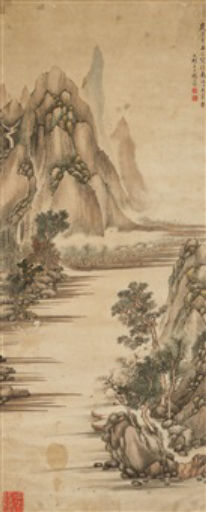
Wang Wei wurde dafür gefeiert, Landschaften mit zurückhaltender Pinselführung zu malen und Atmosphäre über erzählerisches Detail zu stellen. Spätere Traditionen schrieben ihm zu, die Sensibilität der Tuschewaschmalerei vorangetrieben zu haben, die Bildraum mit poetischer Stille und Meditation in Einklang bringt.
Er richtete in Wangchuan einen ländlichen Rückzugsort ein und nutzte dessen Bäche und Hügel als wiederkehrende Motive für Gedichte und Gemälde. Das Anwesen verkörperte ein Ideal der Gelehrten: in der Hauptstadt zu dienen und doch zur Natur zurückzukehren, um moralische und geistige Erneuerung zu finden.
In Wangchuan schrieb er Gedichte, die benannte Orte – Bambus, Täler und Gewässer – zu einer geistigen Landschaft der Stille ordnen. Ihre kontrollierte Bildlichkeit beeinflusste spätere Dichter, die eine Verschmelzung von Ortsbeschreibung und buddhistisch anmutender Losgelöstheit suchten.
Er stieg während einer Phase der Tang-Blüte weiter in Ämtern auf, als der Hof kultivierte Beamte besonders schätzte. Trotz administrativer Pflichten pflegte er ein künstlerisches Leben, das ihn in späterer Erinnerung zum Muster eines Gelehrten-Beamten machte.
Seine reife Lyrik verwandelte kleine Sinnesdetails – Glocken, Hirsche, Mondlicht, ferne Stimmen – in weite Szenen der Betrachtung. Kritiker fassten seine Methode später als „Dichtung in der Malerei“ zusammen, weil seine Zeilen mit malerischer Ökonomie Bilder heraufbeschwören.
Die An-Lushan-Rebellion zerbrach die Stabilität der Herrschaft Kaiser Xuanzongs und erfasste die Region Guanzhong. Wie viele Beamte und Künstler geriet Wang Wei in politische Gefahr, als die Kontrolle über die Hauptstadt und ihr Umland rasch den Besitzer wechselte.
Während Besetzung und Wirren wurde er von wechselnden Machthabern unter Druck gesetzt, ein häufiges Schicksal gefangener Beamter. Spätere Berichte betonen seine Bemühungen, Zusammenarbeit zu vermeiden und seine Integrität zu wahren, was die harten moralischen Dilemmata der Zeit widerspiegelt.
Als Tang-Truppen Gelände zurückeroberten, nahm das Verwaltungsleben unter neuen Beschränkungen und Misstrauen wieder Fahrt auf. Wang Weis Ruf und Talent halfen ihm, in die amtliche Arbeit zurückzukehren, während seine Texte zunehmend zurückhaltende Reflexion statt öffentlicher Feier bevorzugten.
In seinen letzten Jahren verfeinerte er einen kargen, leuchtenden Stil, den spätere Leser mit chan-artiger Unmittelbarkeit verbanden. Freunde und spätere Herausgeber bewahrten viele Gedichte, wodurch sein Rang als zentrale Gestalt der Tang-Kunstkultur gefestigt wurde.
Wang Wei starb nach einer Laufbahn, die Hofdienst und gefeierte künstlerische Produktion in der turbulenten Mitte der Tang-Zeit umfasste. Spätere Generationen verehrten ihn als Meister, der Dichtung, Malerei und buddhistische Sensibilität zu einer einzigen, heiteren Vision vereinte.