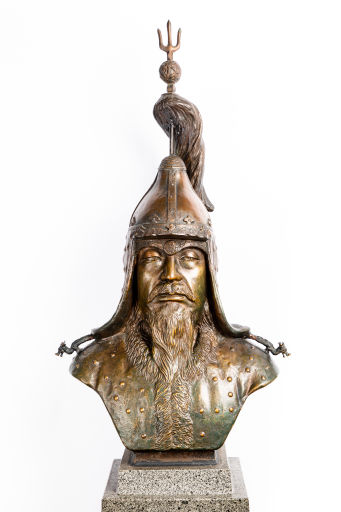
Quick Facts
A steadfast Joseon admiral who mastered naval innovation and strategy, defending Korea against devastating Japanese invasions.
Conversation Starters
Life Journey
He was born in the Hanseong area, the political center of Joseon Korea, into the Deoksu Yi clan. Growing up amid factional politics and border tensions, he developed a serious temperament and strong sense of duty.
After persistent effort, he passed Joseon's military examination and began serving as an officer. The achievement opened a path through a bureaucracy shaped by Neo-Confucian ideals, where merit and factional rivalries constantly collided.
He took posts near the northern border where Joseon faced frequent Jurchen incursions. The harsh conditions and mobile warfare taught him logistics, fortification, and the discipline required to keep soldiers effective under constant pressure.
Despite competent service, he became entangled in court politics and was blamed for failures attributed to poor support and factional maneuvering. The episode hardened his resolve and showed how easily military realities could be distorted in Hanseong.
He was appointed to command the Jeolla left naval forces as war with Toyotomi Hideyoshi’s Japan loomed. From his base, he improved training, tightened supply systems, and prepared ships and crews for large-scale maritime combat.
When Japan invaded in 1592, he struck quickly at sea to disrupt Japanese transport lines supporting armies advancing toward Hanseong. His disciplined gunnery and coordinated formations helped Joseon regain confidence after disastrous early land defeats.
At Hansan Island he used the famed crane-wing formation to envelop a larger Japanese fleet. The victory curtailed Japanese naval freedom of movement and helped isolate their armies, proving that sea control could decide the wider campaign.
He led aggressive strikes along the southern coast, attacking anchored vessels and supply depots. These raids pressured Japanese commanders by forcing them to defend logistics at sea, while Joseon coastal communities gained vital breathing room.
As Ming China intervened and negotiations fluctuated, he navigated complex command relationships and uncertain strategic goals. He focused on safeguarding sea lanes and maintaining readiness, even when political leaders sought quick settlements.
During the lull in major fighting, he emphasized drills, maintenance, and accurate recordkeeping that later shaped the Nanjung Ilgi. By prioritizing preparedness over courtly appearances, he preserved a capable navy for the war’s return.
After false accusations and factional intrigue, he was arrested, interrogated, and degraded in rank despite his record. The court’s decision reflected the volatility of Joseon politics, where rivals could weaponize rumors during national crisis.
His successor, Won Gyun, led the fleet into disaster at Chilcheollyang, leaving Joseon nearly without naval defenses. The defeat exposed how fragile hard-won capability was, and it forced the court to restore Yi to command.
Reappointed in an emergency, he gathered surviving crews and restored discipline with limited resources. His famous declaration about still having ships underscored a strategic truth: a small, well-led force could still deny the enemy sea control.
At the narrow Myeongnyang Strait, he exploited strong currents and confined waters to blunt a vastly larger Japanese fleet. The victory revived allied morale and reestablished naval deterrence, disrupting Japanese plans to resupply by sea.
He coordinated closely with Ming commander Chen Lin as Japan prepared withdrawal after Hideyoshi’s death. Managing coalition friction and communications, he focused on trapping retreating forces while preventing renewed Japanese control of the coast.
During the climactic battle at Noryang, he was fatally wounded while pressing the attack on Japanese ships. He reportedly asked that his death be concealed until victory was secured, embodying duty-first leadership in the war’s final hours.
After his death, the Joseon court restored his titles and elevated his reputation as the savior of the seas. His writings, especially the Nanjung Ilgi, became a key historical source and a model of principled command under adversity.