Quick Facts
A tragic child-emperor of the Southern Song, remembered for steadfast loyalty amid dynastic collapse and invasion.
Conversation Starters
Life Journey
Zhao Bing was born into the Zhao imperial house during the late Southern Song, when Mongol armies were tightening their grip on China. Court politics in Lin'an and the frontier crisis ensured his infancy unfolded under constant wartime anxiety.
As a toddler, he lived in a court increasingly dominated by emergency mobilization and factional disputes over strategy. The Yuan dynasty under Kublai Khan pressed deeper into Song territory, eroding morale and regional defenses.
Major defeats in the mid-Yangtze region pushed the Song court to rely on loyalist commanders and improvised logistics. Officials debated diplomacy versus resistance, while the royal family became a political symbol for embattled provinces.
Yuan troops entered Lin'an, forcing the court to surrender and taking the young Emperor Gong into custody. The collapse of the capital shattered central authority and set the stage for the remaining princes to become rallying points for resistance.
Song loyalists spirited surviving members of the imperial family away from Yuan control by moving along the coast and river routes. Figures such as Lu Xiufu and Zhang Shijie helped coordinate the court-in-exile amid chaotic refugees and naval retreat.
The loyalist regime proclaimed the elder prince Zhao Shi as emperor to preserve the dynastic mandate against the Yuan. Zhao Bing remained a child within the moving entourage, as ministers tried to maintain rituals and legitimacy in exile.
Yuan forces and allied commanders pursued the Southern Song along the coast, forcing repeated relocations. The court depended on ships, coastal fortifications, and local supporters, while supplies and safe harbors became increasingly scarce.
With inland positions failing, the loyalist leadership shifted toward Guangdong, hoping the sea could protect a last redoubt. Zhao Bing’s world was ships, temporary palaces, and anxious officials trying to keep a dynasty alive through ceremony.
Emperor Zhao Shi died during the flight, leaving the loyalists to decide how to preserve the line under imminent attack. Senior ministers, including Lu Xiufu, chose Zhao Bing as the next emperor to maintain continuity and morale.
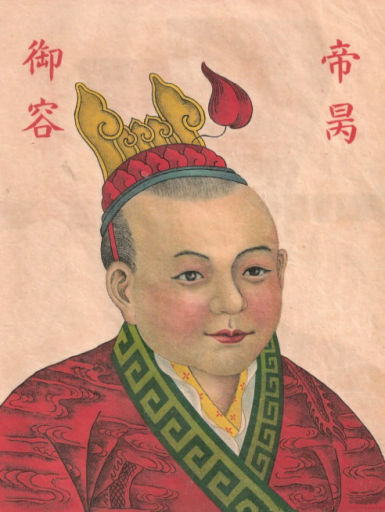
Zhao Bing was enthroned as emperor, a child sovereign elevated to embody the Southern Song’s last claim to legitimacy. The court maintained investiture rites and proclamations even as its territory dwindled to scattered coastal enclaves.
Real authority rested with ministers and commanders such as Lu Xiufu and the naval leader Zhang Shijie, who coordinated defense and supplies. They attempted to rally local gentry and sailors while facing Yuan intelligence and blockades.
The Song fleet gathered and fortified positions, hoping to use geography and ships to resist a decisive Yuan strike. Food shortages, disease, and desertions spread, yet loyalists insisted the emperor’s presence could still unify resistance.
Yuan commanders launched a coordinated naval assault to end the Southern Song, targeting the clustered loyalist fleet. Song leadership debated breakout plans, but the court stayed with the ships, tying the emperor’s fate to the final battle.
The Yuan forces broke the Song naval formation, cutting off escape routes and overwhelming the defenders after prolonged fighting. As the fleet disintegrated, the remaining ministers faced the choice between capture and an end that preserved symbolic loyalty.
According to traditional accounts, minister Lu Xiufu carried the child emperor and leapt into the sea rather than surrender to the Yuan. Zhao Bing’s death marked the definitive fall of the Song dynasty and the consolidation of Yuan rule over China.
In later memory, Zhao Bing became an emblem of dynastic fidelity, with loyalist narratives honoring officials who chose death over capitulation. Shrines, local traditions, and historical writings in South China kept the story of Yamen alive for generations.