En bref
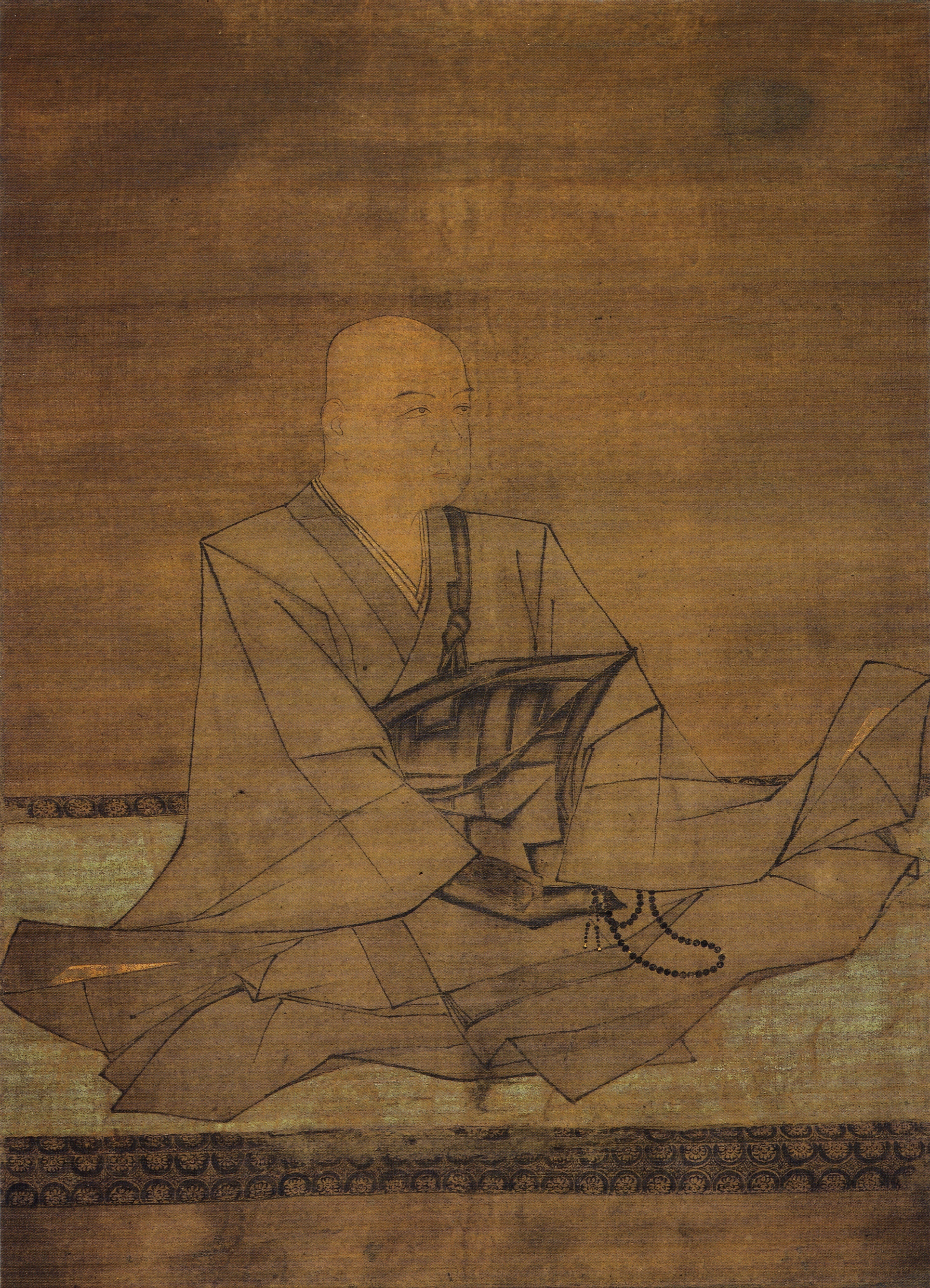
Kamakura-era scholar-statesman who built Japan’s great Kanazawa library, preserving classics amid samurai governance and turmoil.
Sujets de conversation
Parcours de vie
Born as a member of the Hojo kin network that dominated the Kamakura shogunate. Raised among warrior elites, he encountered both military duty and the prestige of Chinese learning in eastern Japan.
As a youth he studied reading and calligraphy alongside martial training typical of Kamakura retainers. Tutors introduced him to Confucian ethics and historical chronicles used for governance and self-cultivation.
He began formal service in the political world shaped by the Hojo regents and their councils. Exposure to case records and administrative practice deepened his belief that scholarship strengthened public order.
The 1246 conflict that destroyed the Miura clan underscored the volatility of Kamakura power struggles. Sanetoki’s turn toward books and ethical learning reflected a desire for stability beyond factional violence.
In the aftermath of the Hoji War era, he strengthened ties within the Hojo political sphere. He cultivated a reputation for careful judgment, pairing administrative responsibility with study of classical precedents.
He sought authoritative editions of Confucian works, histories, and encyclopedic compilations valued by officials. Contacts with temples, merchants, and scribes helped him build a collection unusual for a warrior household.
When Prince Munetaka of the imperial line became shogun, Kamakura politics emphasized ceremonial legitimacy. Sanetoki aligned scholarship with governance, arguing that cultivated administrators could better serve the regime.
He established a dedicated repository for books and documents at his Kanazawa estate. The Bunko was organized to preserve texts, enable copying, and train capable readers in an era when manuscripts were fragile and scarce.
To prevent loss, he hired scribes to copy key works and annotate provenance. Systematic cataloging and careful storage practices made the library an institutional model rather than a private hoard of curiosities.
He exchanged information with learned monks and literati about authoritative commentaries and textual lineages. These networks linked warrior administration with Buddhist institutions that safeguarded education in medieval Japan.
The Bunko increasingly served readers beyond his immediate household, including officials and temple affiliates. By encouraging consultation and copying, he promoted a shared intellectual foundation for Kamakura governance.
When Kublai Khan’s envoys demanded submission, Kamakura officials faced unprecedented foreign pressure. Sanetoki’s emphasis on historical precedent and moral order offered a scholarly lens on crisis and decision-making.
Alongside classics, he preserved records relevant to land, rulings, and lineage that underpinned samurai authority. This mix of literature and documentation anticipated later archival practice in Japanese institutions.
The Bun'ei invasion brought battle to Kyushu and intensified mobilization under the Hojo. In a time of fear and expense, his library stood as a statement that cultural inheritance mattered alongside defense.
Late in life he emphasized stewardship, encouraging successors to maintain the collection and its order. The institution’s durability depended on disciplined care, funding, and respect for texts as public resources.
He died after decades of balancing warrior administration with rigorous scholarship. The library he built endured as a crucial repository, shaping how later generations understood Kamakura intellectual and political life.