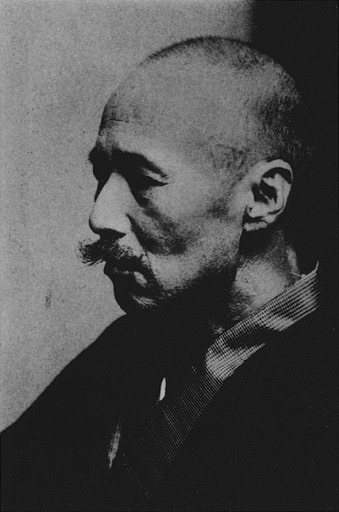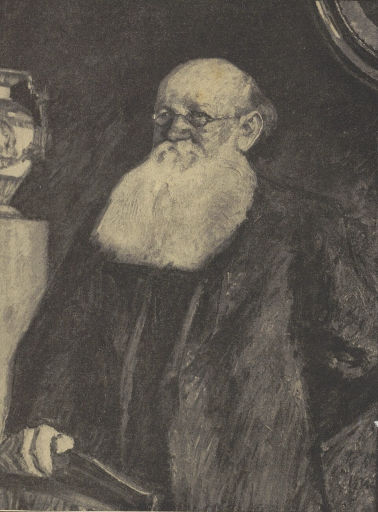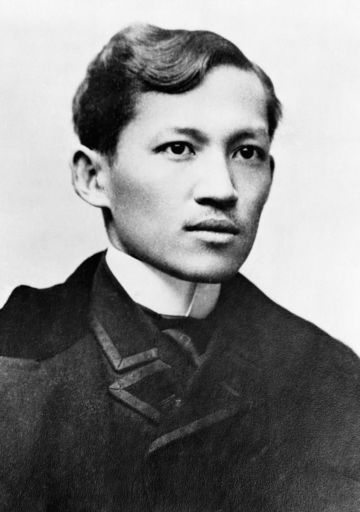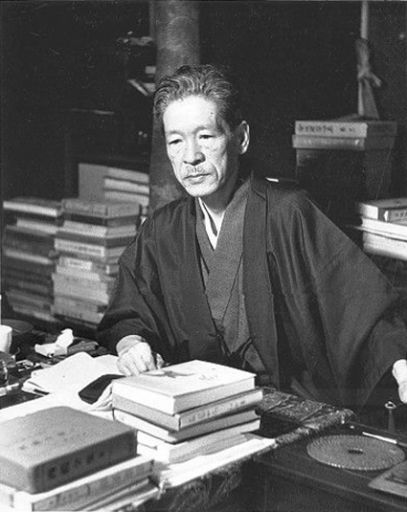
A naturalist novelist who turned intimate diaries and urban hardship into quietly devastating portraits of modern Japan.
对话开场白
人生历程
Born in Kanazawa, Ishikawa Prefecture, as Japan rapidly modernized after the Meiji Restoration. Growing up amid old castle-town culture and new schools shaped his later focus on social change and private struggle.
As a teenager he pursued modern Japanese prose and translated ideas circulating through newspapers and literary magazines. The period’s tension between tradition and Westernized education became a lasting theme in his work.
He left provincial Kanazawa for Tokyo, the hub of publishing and political debate, determined to become a writer. Struggling with money and lodging, he learned the city’s precarious lives from close range.
He wrote and edited for periodicals, gaining contacts among editors and young authors competing for space in Tokyo’s booming print market. The routines of reporting trained his eye for concrete detail and everyday speech.
His first notable stories experimented with the era’s mix of romantic sentiment and emerging realism. Feedback from magazine editors pushed him toward tighter observation of class, work, and the psychology of desire.
He moved within circles linked to Ozaki Koyo and the Ken'yusha tradition, learning craft and the marketplace logic of serialized fiction. At the same time, he began questioning polished style in favor of harsher truths.
As naturalism surged after works by writers like Tayama Katai, he embraced frank depiction of poverty, sexuality, and moral compromise. He sought a prose that sounded like lived experience rather than literary pose.
He produced long serial narratives for popular magazines, shaping characters over months in dialogue with reader expectations and editorial demands. The form sharpened his skill at incremental psychological pressure and social detail.
He increasingly drew on diary-like observation and personal experience to craft narratives of hesitation, longing, and failure. This approach aligned him with the shishosetsu tradition while keeping a cool, analytic distance.
With Emperor Meiji’s death and the Taisho era’s new urban energies, he wrote about shifting morals, work patterns, and family expectations. His fiction tracked how modern city life reshaped intimacy and obligation.
Critics recognized him as a steady chronicler of ordinary people rather than a stylist chasing novelty. He refined scenes of cramped rooms, small transactions, and quiet disappointments that exposed social hierarchy.
The Great Kanto Earthquake devastated Tokyo and Yokohama, disrupting publishing, neighborhoods, and livelihoods. He observed the city’s reconstruction and the new anxieties it produced, deepening his interest in instability and loss.
As labor movements and political repression intensified, magazines faced stricter scrutiny over content and tone. He kept publishing by focusing on private life and moral ambiguity, where politics appeared as pressure in the background.
After the Manchurian Incident, public culture grew more nationalist and constrained, affecting what writers could safely depict. He maintained a subdued realism, emphasizing human consequence over slogans and official narratives.
With the outbreak of the Sino-Japanese War, paper shortages and state guidance reshaped the literary marketplace. He continued to write while adapting to an atmosphere where frank social critique became increasingly risky.
After Japan entered the Pacific War, daily life in Tokyo became defined by rationing, surveillance, and constant mobilization. His late writing sustained a humane focus on individuals caught in forces beyond their control.
He died in Tokyo in 1943, before the war’s end and the postwar literary reordering. His body of work remained a key record of Meiji-to-Showa transformations seen through intimate, unsparing realism.