Quick Facts
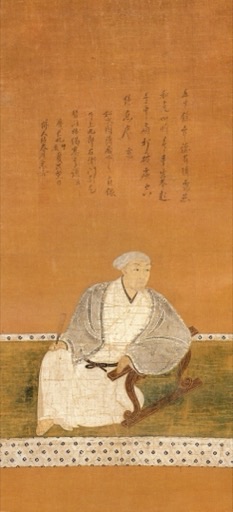
The One-Eyed Dragon of Oshu, a brilliant Sengoku warlord who lamented being born twenty years too late. Known for his crescent moon helmet, founding Sendai, and sending Japan's first embassy to Europe.
Conversation Starters
Life Journey
Date Masamune was born as the eldest son of Date Terumune, a powerful daimyo in northern Japan. His childhood name was Bontenmaru. The Date clan had ruled the Tohoku region for generations, and great expectations were placed upon him from birth.
At age four, Masamune contracted smallpox, which cost him his right eye. This disfigurement initially made him self-conscious, but he would later embrace it, becoming known as the One-Eyed Dragon of Oshu. Legend says he once asked a retainer to cut out the damaged eye himself.
Masamune underwent his genpuku ceremony and took the adult name Masamune. He had received rigorous education in martial arts, strategy, and classical literature. Despite his young age, he already showed the ambition and cunning that would define his career.
Masamune participated in his first battle against the Soma clan at age fourteen. Though young, he demonstrated remarkable courage and tactical awareness. This baptism of fire marked the beginning of his military career that would make him a legend.
After his father Terumune was killed during a hostage incident with the Hatakeyama clan, Masamune became the head of the Date clan at seventeen. He immediately launched a campaign of revenge and expansion that would reshape the political landscape of northern Japan.
Masamune won a decisive victory at Hitotoribashi against a coalition of clans seeking to destroy him. Though outnumbered, his tactical genius and personal bravery turned the tide. This battle established his reputation as one of the most formidable warlords in Japan.
After years of campaign, Masamune conquered the wealthy Aizu region, greatly expanding Date territory. At twenty-two, he controlled most of the Tohoku region and was on the verge of becoming a major power in Japan's unification wars.
Masamune arrived late to Hideyoshi's siege of Odawara, dressed in white death robes as a show of penitence. This dramatic gesture saved his life but cost him much of his territory. He famously lamented that he was born twenty years too late to unify Japan himself.
After losing his Aizu holdings as punishment for late arrival at Odawara, Masamune was relocated to Iwadeyama. Though reduced in territory, he immediately began rebuilding his power base, showing the resilience that characterized his career.
During the decisive Battle of Sekigahara, Masamune supported Tokugawa Ieyasu's Eastern Army. Though he fought primarily in the Tohoku region against Uesugi forces, his support was crucial. Victory brought him increased territory and Tokugawa favor.
Masamune began construction of Sendai Castle and the city that would become his legacy. He transformed a small fishing village into one of Japan's greatest castle towns. Sendai would grow to become the largest city in the Tohoku region, a testament to his vision.
Masamune dispatched his retainer Hasekura Tsunenaga on an unprecedented diplomatic mission to Spain and Rome. The embassy crossed the Pacific and Atlantic oceans, meeting the King of Spain and the Pope. This was Japan's first formal embassy to Europe.
Masamune led his troops in the Siege of Osaka, fighting for the Tokugawa against the remnants of the Toyotomi clan. His distinctive crescent moon helmet made him instantly recognizable on the battlefield. The victory cemented Tokugawa dominance over Japan.
Masamune completed construction of his elaborate mausoleum, the Zuihoden, in Sendai. The ornate structure reflected both his power and his awareness of mortality. It remains one of Japan's most magnificent examples of Momoyama-period architecture.
Date Masamune died in Edo at the age of sixty-eight, having outlived most of his contemporaries. His final years were spent in relative peace, having secured the Date clan's position as one of the most powerful in Tokugawa Japan. His legend as the One-Eyed Dragon lives on.