Quick Facts
A devoted disciple and courageous witness whose loyalty shaped early Christian memory from Galilee to Jerusalem.
Conversation Starters
Life Journey
Mary is traditionally associated with Magdala, a fishing and trade town on the Sea of Galilee. Growing up in Roman-ruled Galilee under Herod Antipas, she would have lived amid intense religious and political ferment.
The Gospel of Luke remembers her as someone from whom “seven demons” were cast out, signaling profound suffering and restoration. In first-century Jewish culture, such language often conveyed social stigma as well as spiritual crisis.
After encountering Jesus, she becomes part of the itinerant Galilean movement proclaiming the kingdom of God. The Gospels place her among women who traveled with the group, an unusually visible role in public religious life.
Luke describes Mary Magdalene, Joanna, and Susanna as providing for Jesus and his disciples “out of their resources.” This support helped sustain travel between villages and indicates women’s tangible leadership in the earliest Jesus circles.
As the movement spread, she would have observed disputes with local authorities and the growing popularity of Jesus’s public teaching. The Galilean setting, marked by Roman taxation and local elites, sharpened the movement’s social tensions.
The Gospels depict a decisive journey to Jerusalem, a pilgrimage city under close Roman surveillance during Passover. Entering the capital heightened risk, as crowds and messianic expectations often prompted swift action from authorities.
While many disciples scatter, Mary Magdalene remains among those close enough to follow events surrounding Jesus’s detention. Jerusalem’s leadership and the Roman prefect Pontius Pilate become central actors as the case turns deadly.
All four canonical Gospels name Mary Magdalene among the women at the crucifixion, near the site called Golgotha. Her presence, alongside Mary the mother of James and others, makes her a key eyewitness in the Passion narratives.
The narratives portray her watching where Jesus’s body is laid, with Joseph of Arimathea and Nicodemus appearing in burial traditions. Knowing the tomb’s location becomes crucial for the later discovery scene and the Resurrection proclamation.
At dawn after the Sabbath, Mary Magdalene goes to the tomb with burial spices, reflecting Jewish mourning customs. The journey underscores her loyalty and the dangers of moving publicly in a tense city after an execution.
She encounters the tomb opened and the body missing, a shock that transforms grief into urgent alarm. The Gospel accounts differ in details, but all make her central to the earliest moments of the empty-tomb tradition.
In several accounts, heavenly messengers announce that Jesus has been raised and instruct the women to tell the disciples. This commissioning positions Mary Magdalene as a bearer of authoritative news within the nascent community.
Mary brings the news to leaders such as Peter, prompting them to run to the tomb in some traditions. Her testimony—given in a culture where women’s public witness was often discounted—becomes foundational to Christian memory.
John depicts her meeting the risen Jesus near the garden tomb, mistaking him for a gardener until he speaks her name. He sends her to announce the message to the community, earning later titles like “apostle to the apostles.”
As Jesus’s followers spread from Jerusalem into the wider Mediterranean world, Mary Magdalene remains a named witness in transmitted narratives. Her consistent presence in multiple Gospel strands suggests an early, durable memory of her role.
Later centuries preserve portrayals of Mary Magdalene in non-canonical texts, sometimes emphasizing teaching authority and disputes with other leaders. These traditions reflect internal debates about revelation, leadership, and women’s roles in the churches.
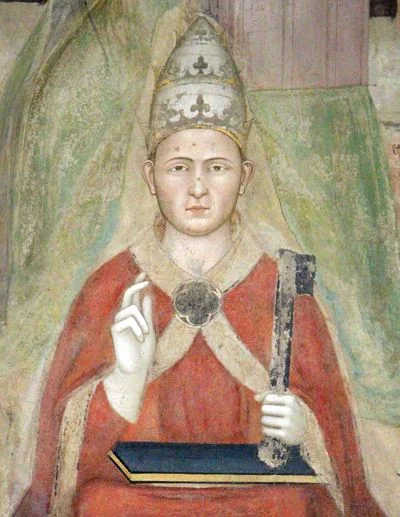
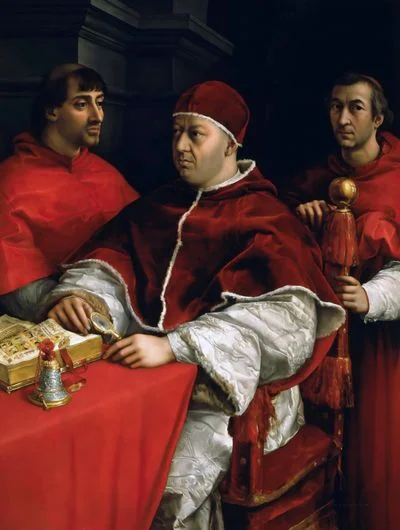
In a famous homily, Pope Gregory the Great in Rome associated Mary Magdalene with the anonymous “sinful woman” and Mary of Bethany, blending separate figures. This identification profoundly influenced medieval preaching, art, and devotion in the Latin West.
The Roman Catholic calendar revised its readings and notes to separate Mary Magdalene from other New Testament women often merged with her. Scholars and churches increasingly emphasized her role as disciple and Resurrection witness rather than a penitent stereotype.