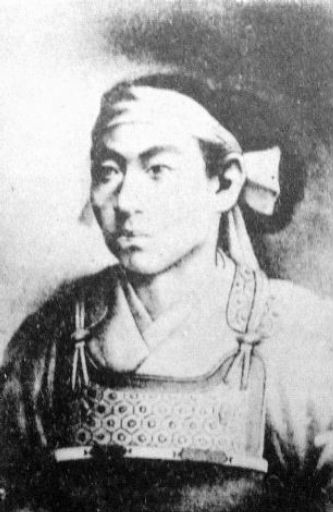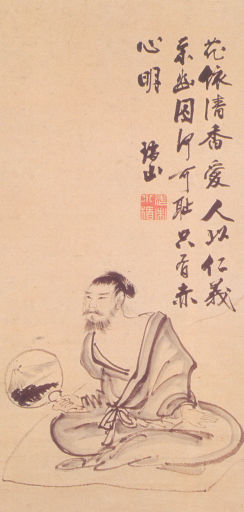
Quick Facts
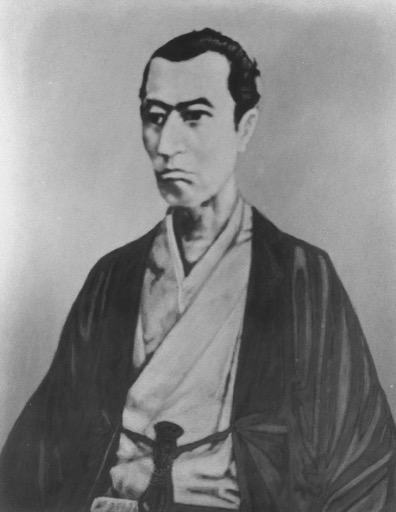
A fiery Tosa samurai activist who organized loyalist patriots, challenging the shogunate during Japan’s turbulent Bakumatsu era.
Conversation Starters
Life Journey
Born in Tosa Domain during late Tokugawa rule, he grew up amid rigid class hierarchy and domain discipline. The political stress between Edo authority and regional domains shaped his early sense of loyalist purpose.
As a teen he pursued both martial practice and classical studies typical of domain samurai education. This blend of ethics and combat later fueled his moral rhetoric and readiness for direct action.
He associated with local dojo networks, gaining students and allies among ambitious young retainers. His intense lectures on duty and honor made him a natural organizer inside Tosa’s factional politics.
Commodore Matthew Perry’s black ships triggered a crisis that reverberated through Tosa Domain’s councils. Takechi framed the moment as a moral emergency, arguing loyalty to the emperor demanded resistance to unequal pressure.
He cultivated contacts who traveled between Kyoto, Edo, and Tosa, exchanging news and political pamphlets. These relationships later enabled coordinated action beyond the domain’s official chain of command.
He organized the Tosa Kinnoto as a disciplined loyalist group promoting imperial reverence and opposition to shogunal compromises. Using oaths and hierarchy, he created a cadre able to act quickly in Kyoto’s volatile climate.
In Kyoto he sought influence near the imperial court, where sonnō jōi agitation mixed with domain rivalries. He leveraged introductions and letters to align Tosa loyalists with broader anti-shogunate currents.
As violence escalated, loyalist groups targeted officials seen as betraying imperial interests. Takechi’s network operated under constant surveillance, balancing propaganda, intimidation, and clandestine planning in a city on edge.
After the Namamugi Incident and growing foreign pressure, domains feared international reprisals and internal disorder. Takechi’s insistence on principled resistance increasingly clashed with pragmatists worried about military imbalance.
The year saw intense court maneuvering, with activists pressing for anti-foreign edicts and punitive measures against shogunal leaders. Takechi used speeches and petitions to portray imperial loyalty as the only legitimate authority.
Following violent confrontations and shifting alliances, authorities tightened control over extremist factions. Takechi’s position became precarious as domains reassessed strategy and searched for scapegoats to stabilize governance.
Back in Tosa, rival officials and cautious leaders viewed his network as a liability amid national turmoil. Internal investigations narrowed around the Kinnoto, and former allies distanced themselves to avoid collective punishment.
Tosa authorities detained him as part of a broader effort to rein in political violence and restore domain order. Interrogations sought links to assassinations and illegal plotting, treating the Kinnoto as a destabilizing force.
Facing a hostile political climate, he was judged as a symbol of the radical line that threatened domain survival. The proceedings reflected not only alleged crimes but also Tosa’s urgent need to signal control to Edo authorities.
He died by ordered seppuku while confined, ending a career defined by uncompromising imperial loyalism. Afterward, supporters remembered him as a passionate patriot whose methods and fate foreshadowed the coming Meiji upheaval.
In the final Bakumatsu years, his life was invoked in arguments over whether radical agitation or pragmatic coalition-building should guide reform. His name endured in Tosa memory as both warning and inspiration for later activists.