概要
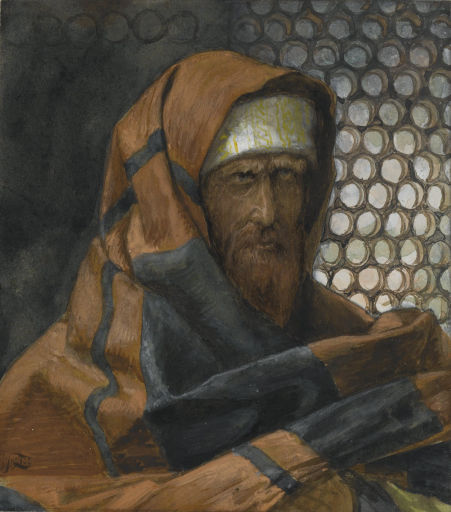
A politically astute high priest who balanced Roman power and Temple authority during the turbulent final years of Jesus.
会話のきっかけ
人生の歩み
Caiaphas is remembered primarily through Christian texts and later historical discussion of the Second Temple priesthood. His long tenure is often cited as evidence of political skill in maintaining stability under Rome.
Judea in the early 30s AD saw continuing tension among Roman officials, local elites, and popular religious movements. Caiaphas’s experience embodied how Temple leaders navigated governance under imperial oversight.
After deposition, Caiaphas likely remained part of Jerusalem’s aristocratic priestly milieu, though without the official title. Former high priests could still exert influence through family networks and Temple connections.
After many years as High Priest, Caiaphas was removed from office by Lucius Vitellius, the Roman governor of Syria. His deposition reflects Rome’s control over the priesthood and shifting politics in Judea under Tiberius.
New Testament accounts place Caiaphas in the leadership that questioned Jesus after his arrest in Jerusalem. The narratives emphasize concerns about public disorder and Roman reaction, culminating in Jesus being sent to Pilate.
Caiaphas oversaw Temple administration, finances, and sacrificial worship while Judea remained tense under Roman prefects. His position required coordinating with Jerusalem elites and preventing disturbances that could bring Roman reprisals.
As a Sadducean-aligned high priest, Caiaphas operated among wealthy priestly families who dominated Temple politics. He likely interacted with the Sanhedrin’s leadership, where religious authority and public order were closely intertwined.
The period saw popular prophets and reformers attract crowds, alarming both Temple leaders and Roman officials. Caiaphas’s priority was stability in Jerusalem, where large gatherings could quickly become political flashpoints.
Pontius Pilate assumed office as Roman prefect of Judea, bringing a harsher reputation for handling unrest. Caiaphas, as High Priest, had to maintain working relations with Pilate to safeguard Temple privileges and civic calm.
During Passover and other pilgrim feasts, Jerusalem’s population surged, increasing fears of riot and messianic agitation. Caiaphas’s administration would coordinate Temple procedures while Rome monitored crowds for sedition.
Caiaphas was linked by marriage to Annas (Ananus), a former High Priest whose family remained influential in Jerusalem. This alliance helped anchor Caiaphas within a powerful Temple dynasty recognized by Roman authorities.
The High Priest’s circle oversaw offerings, tithes, and the economic life surrounding the Temple complex. Caiaphas’s leadership depended on cooperation among priestly courses and aristocratic patrons who benefited from Temple status.
Rome reserved the right to appoint and remove high priests, making the position politically precarious. Caiaphas’s continued tenure suggests he was seen as a dependable partner for keeping Jerusalem orderly and taxes flowing.
Temple leadership shaped legal, ritual, and social norms for Judeans and pilgrims alike. Caiaphas’s authority rested on priestly legitimacy, careful negotiation with other Jewish groups, and the ever-present power of Rome.
Caiaphas became High Priest during the rule of Emperor Tiberius, likely appointed under the influence of Roman administration. His elevation positioned him at the center of Jerusalem’s Temple hierarchy and political life.