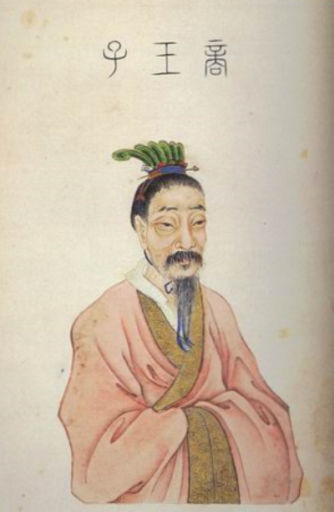
Quick Facts
A principled Shang statesman whose fearless remonstrance against tyranny made him a lasting symbol of loyal integrity.
Conversation Starters
Life Journey
Born into the Zi royal house of the Shang dynasty, he grew up amid court ritual, bronze culture, and ancestral worship. Family ties to the throne positioned him for high office in Yin, the Shang capital.
As a young prince, he studied Shang ceremonial protocol, divination customs, and the management of tribute and labor. Tutors and senior officials prepared him for service in the royal bureaucracy at Yin.
He entered government as a trusted royal kinsman, assisting with court deliberations and the oversight of officials. His reputation for plain speaking made him useful in resolving disputes among powerful lineages.
His counsel was increasingly sought in matters of taxation, corvée demands, and the conduct of sacrifices to Shang ancestors. Court records in later tradition portray him as a stabilizing voice when factional tensions intensified.
He worked in the same political milieu as prominent Shang figures remembered in later texts, including loyal officials contrasted with corrupt favorites. In policy debates, he emphasized restraint and protection of common households from exploitation.
As King Zhou (Di Xin) intensified lavish building and entertainment, he delivered formal remonstrances urging frugality and humane rule. He warned that abusive levies and punishments would alienate allied clans and weaken Shang authority.
He argued that terrorizing ministers and ignoring ritual propriety undermined legitimacy grounded in ancestral favor. Later narratives depict him risking dismissal to insist that justice and measured penalties were essential for dynastic survival.
He criticized the rise of flattering courtiers who shielded the king from bad news and profited from confiscations. His memorials, as remembered by later historians, framed honest speech as the minister’s highest duty.
He cautioned that the Zhou polity, led by figures later known as King Wen and King Wu, was consolidating allies and moral prestige. He urged diplomatic restraint and internal reform to prevent rebellion among border vassals.
When other officials fell silent, he continued to confront the king with unvarnished accounts of suffering and administrative decay. Tradition praises his refusal to trade principle for security, even as threats escalated within the palace.
His blunt remonstrations reportedly enraged King Zhou, who suspected disloyalty in any contradiction. Court atmosphere turned perilous as loyal ministers were punished, creating a warning to anyone who spoke against royal whims.
After delivering another forceful admonition, he was seized on charges framed as insubordination. Later sources describe a staged inquiry in the palace that sought to humiliate him and deter further criticism from other nobles.
He was put to death on the king’s orders, becoming a defining example of a minister who died for righteous counsel. The well-known legend that his heart was removed dramatizes moral courage rather than medical reality.
Stories of his integrity circulated among nobles and commoners, contrasting his honesty with the court’s decadence. Mourning rites and private veneration helped preserve his memory as a standard for principled governance.
When the Zhou defeated Shang at the Battle of Muye, later historians cast his fate as evidence that Shang had rejected honest advice. His story was used to explain the transfer of the Mandate of Heaven to the Zhou.
Across imperial China, scholars and officials cited him in essays and court debates as the model of loyal remonstrance. His name appeared in compilations of virtuous ministers, shaping Confucian ideals of duty and integrity.