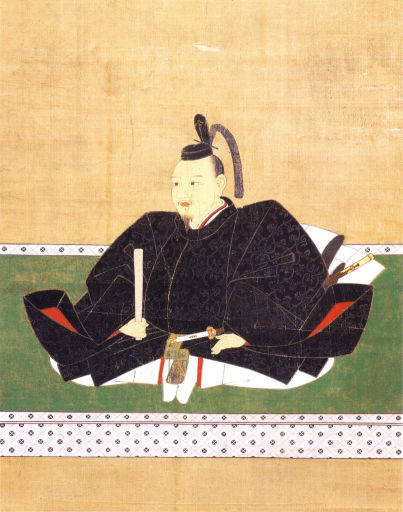
Quick Facts
Steadfast Kamakura regent who stabilized samurai government through lawmaking, pragmatic councils, and disciplined crisis leadership.
Conversation Starters
Life Journey
Born as the heir of Hojo Yoshitoki and a key branch of the Hojo clan that guarded Minamoto no Yoritomo's new military order. His childhood unfolded as the Genpei War reshaped power away from Kyoto court nobles toward Kamakura warriors.
Minamoto no Yoritomo died, leaving the young shogunate vulnerable and forcing Hojo elders to manage succession and rival factions. The crisis taught Yasutoki how legitimacy depended on balancing gokenin interests with the figurehead shogun.
As Hojo Yoshitoki strengthened control after shogunal turmoil, Yasutoki trained in adjudication, land disputes, and vassal administration. He absorbed the practical needs of warrior households, where clear precedents mattered more than courtly ritual.
The Wada clan uprising threatened Hojo dominance and the stability of Kamakura's leadership. Yasutoki supported the suppression of Wada Yoshimori's faction, reinforcing the Hojo position among gokenin who demanded firm, consistent rule.
Yasutoki cultivated alliances among provincial gokenin whose landholding disputes fed constant petitions to Kamakura. By prioritizing credible judgments and personal restraint, he built a reputation that widened Hojo support beyond the capital-centered aristocracy.
Emperor Go-Toba called for overthrowing the Kamakura regime, triggering the Jokyu War between Kyoto loyalists and the eastern samurai. Yasutoki commanded forces advancing on Kyoto, securing victory that decisively tilted national power toward the shogunate.
After the Jokyu War, Kamakura confiscated estates of court-aligned nobles and redistributed them to loyal gokenin as rewards. Yasutoki helped manage these assignments so the new landholders remained dependent on the regency and legal process.
To monitor the imperial court and western provinces, the shogunate established the Rokuhara Tandai as a permanent Kamakura outpost. Yasutoki backed the institution, which institutionalized surveillance, policing, and adjudication near the court's center.
Hojo Yoshitoki died, and Yasutoki became the third shikken, inheriting a regime newly empowered after victory over Kyoto. He emphasized moderation and predictable governance to prevent vendettas and keep rival Hojo branches in check.
Yasutoki organized the Hyoshu, a deliberative council of senior retainers that shared decision-making and reviewed major judgments. The council reduced arbitrary rule, strengthened administrative continuity, and reassured gokenin that petitions would be heard fairly.
Kamakura courts faced heavy caseloads over inheritance, boundaries, and stewardship rights among warrior families. Yasutoki pushed for clearer procedures and documentary scrutiny, discouraging violence by channeling conflicts into formal adjudication and precedent.
Yasutoki worked with jitō and shugo officials to standardize reporting and enforce shogunate directives beyond Kamakura. By tying local governance to centralized review, he limited private warfare and kept provincial elites reliant on the regent's authority.
Yasutoki issued the Goseibai Shikimoku, a practical legal code tailored to samurai society, emphasizing precedent, equity, and orderly procedure. Drafted with experienced officials, it guided judgments on land, vassal duty, and misconduct for generations.
After promulgation, Yasutoki ensured the code was used consistently by magistrates and councils rather than treated as symbolic text. Its regular application improved predictability for gokenin litigants, reducing factional resentment and opportunistic appeals.
As regent, Yasutoki managed competing Hojo relatives and influential retainers by emphasizing collective deliberation and disciplined personal conduct. This approach preserved the shogunate's legitimacy while keeping the regency from splintering into private fiefs.
In his later years, Yasutoki focused on training successors and preserving the council-based system that limited individual arbitrariness. By reinforcing administrative routines and precedent-based judgments, he aimed to prevent crises after his death.
Yasutoki died with the Kamakura regime more stable than when he inherited it, anchored by the Hyoshu council and the Joei legal code. His reforms endured as a template for warrior governance, influencing later shogunal legal practice.