Quick Facts
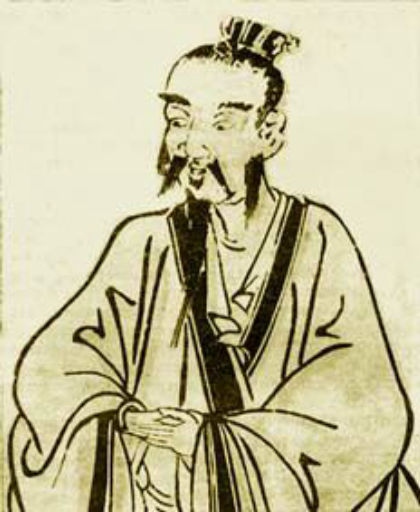
A meticulous Ming physician-scholar who transformed Chinese pharmacology by cataloging medicines with fieldwork, skepticism, and literary clarity.
Conversation Starters
Life Journey
Born in Qizhou, Huguang, into a family known for medicine and classical learning. The intellectual climate of the mid-Ming dynasty encouraged scholarship, while local healers shaped his earliest impressions of practical care.
As a child he studied Confucian classics while observing diagnoses, pulse-taking, and herbal preparation at home. This dual training—texts and clinic—later informed his insistence that written authorities be tested against experience.
Like many ambitious Ming youths, he pursued examination study to enter official life, yet repeated disappointment pushed him toward a medical vocation. The shift proved decisive, redirecting his scholarly discipline into therapeutic and pharmacological research.
In his early twenties he treated common epidemics and chronic illnesses, refining observation and record-keeping. Patients and gentry families valued his careful prescriptions, and the steady practice gave him access to diverse remedies and case histories.
He compared classic works such as earlier materia medica with what practicing doctors actually dispensed. By interviewing herb sellers and itinerant healers, he began noting contradictions between book descriptions and real-world specimens and effects.
His growing prestige led to service as a medical advisor within a Ming princely establishment, exposing him to elite pharmacopeia and rare drugs. Courtly access broadened his view of supply chains, adulteration, and the politics of medical authority.
He was called to work in Beijing’s Imperial Medical Institute, where official compilations and standardized formulas were maintained. The experience sharpened his critique of inherited errors, as he saw how copying older texts perpetuated mistakes.
After witnessing bureaucracy and textual conservatism, he returned home determined to overhaul materia medica scholarship. He conceived an encyclopedic work that would reclassify drugs, correct misidentifications, and cite practical evidence alongside citations.
He started organizing thousands of entries with a new taxonomy for plants, animals, and minerals, drawing from classics and contemporary practice. Drafts included notes on synonyms, habitat, harvesting seasons, preparation methods, and suspected exaggerations.
To prevent bookish error, he traveled and corresponded widely, inspecting markets, mountainsides, and riverbanks for authentic specimens. He compared local names across dialect regions and documented adulterants, a common problem in late-Ming commerce.
Midway through the project, he revised large sections to align descriptions with observable morphology and effects. He openly challenged revered authorities when evidence disagreed, reflecting a critical spirit emerging in Ming empirical scholarship.
He enriched the manuscript with prescriptions, contraindications, and warnings about poisons and dosage, aiming to protect patients from harm. These practical details mirrored the realities of village clinics, pharmacies, and household self-medication.
After roughly two decades of compilation, he finished a comprehensive draft that integrated citations, field notes, and corrections. He continued polishing language for clarity, making the text readable to both scholars and working physicians.
Late-Ming publishing required funding, woodblock carving, and influential support, so he pursued assistance from local elites and officials. He checked copyists’ work and standardized terminology to reduce transmission errors before woodblocks were cut.
In old age he continued seeing patients and comparing outcomes against his written recommendations. These final years were marked by relentless revision, showing a belief that medical knowledge must remain accountable to lived evidence and results.
He died in Qizhou after a lifetime balancing scholarship, travel, and clinical work. His family and later publishers helped bring the Bencao Gangmu to print, ensuring his corrections reshaped East Asian pharmacology for centuries.