Quick Facts
A shrewd Parthian monarch who expanded an empire, tamed rivals, and opened diplomacy with Rome and the Silk Road.
Conversation Starters
Life Journey
He rose to kingship as Arsacid power faced pressure from eastern nomads and western claimants. From the royal court at Hecatompylos, he prioritized rebuilding authority over fractious Parthian magnates and frontier commanders.
Early in his reign, he moved to secure Media and neighboring regions that were vulnerable to local dynasts. By appointing loyal governors and confirming noble privileges, he stabilized taxation and military levies for larger campaigns.
Nomadic groups pressing into Parthian borderlands threatened caravan routes and frontier settlements. He ordered fortification efforts and redeployed cavalry forces, aiming to protect trade corridors linking Iran to Central Asia.
He led operations toward Parthia’s northeastern marches where raids disrupted agriculture and tribute. Using mounted archers and allied contingents, he sought to impose terms on mobile enemies and restore confidence among local elites.
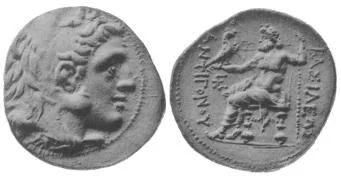
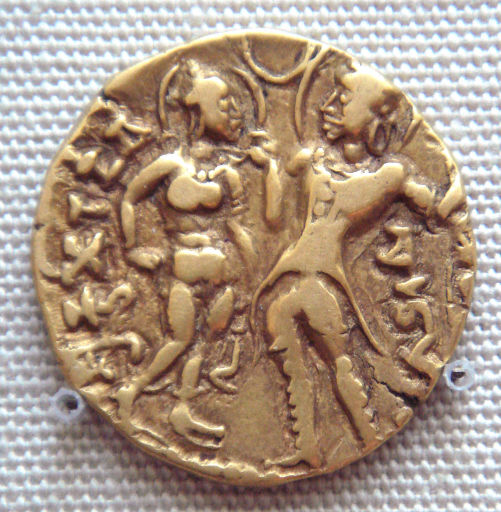
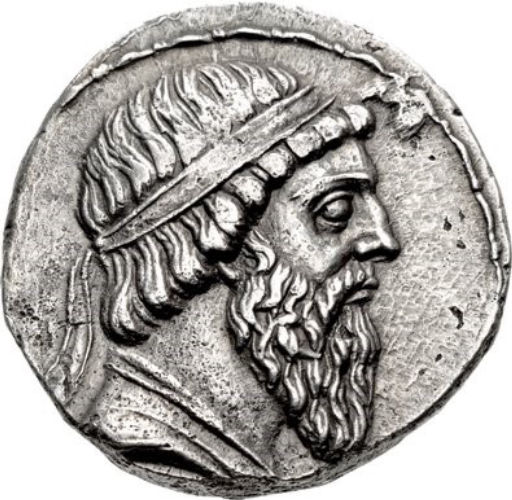
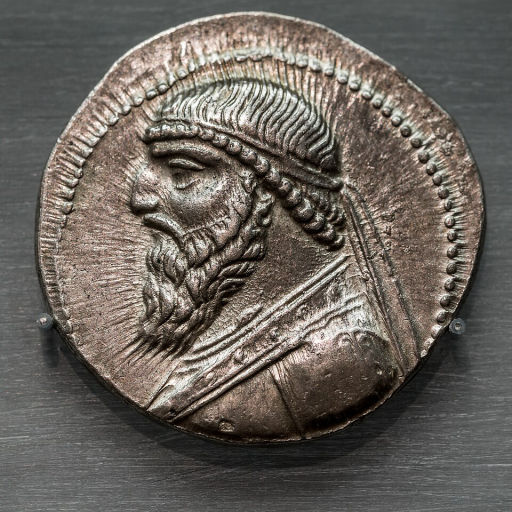
To unify a diverse realm, he emphasized Arsacid kingship through titles and imagery on silver drachms. Mints in major cities broadcast his authority to soldiers, merchants, and subject communities across Mesopotamia and Iran.
With the Seleucid kingdom weakened by internal strife, he pressed westward to expand Parthian influence. Local cities and governors, seeking stability, increasingly treated the Arsacid court as the region’s decisive power.
He worked to secure the great river cities that controlled trade and tax revenues between the Tigris and Euphrates. By balancing Greek civic institutions with Parthian oversight, he avoided revolts while tightening imperial control.
Rather than direct annexation everywhere, he relied on vassal kings and cooperative nobles to govern border regions. This approach reduced garrison costs and ensured cavalry contingents could be raised quickly for new campaigns.
Parthian influence grew in Armenia as competing factions sought external backing. By placing an Arsacid-linked ruler on the Armenian throne, he created a strategic buffer against western powers and northern raids.
He applied pressure on frontier polities and cities tied to the weakening Seleucid sphere. Envoys and military demonstrations signaled that Parthia could reward cooperation and punish defiance along the western marches.
Roman expansion in the east made contact unavoidable, so he treated diplomacy as strategic reconnaissance. Negotiations with the Roman envoy Lucius Cornelius Sulla marked a new era of Parthian–Roman engagement over Armenia and borders.
He sought to keep Armenia within Parthia’s orbit without triggering a full Roman intervention. By using dynastic ties and selective support for claimants, he aimed to control mountain passes and frontier diplomacy simultaneously.
His reign coincided with growing east–west commerce, and Parthian control of routes brought customs revenue and prestige. Caravan traffic moving through Iranian plateaus helped integrate far provinces and enriched major market cities.
He balanced powerful Parthian clans by granting offices, hostages, and honors while keeping key revenues under royal oversight. This careful coalition politics reduced civil war risk and kept cavalry forces available for external threats.
As Rome, local dynasts, and remaining Seleucid claimants jockeyed for influence, he held the economic heartland along the Tigris and Euphrates. Administrative continuity in cities like Seleucia supported minting, supply, and governance.
Late in life, he focused on maintaining the western conquests and the eastern defenses that defined his reign. By reinforcing dynastic legitimacy and provincial loyalty, he left successors an empire at the height of Arsacid power.
He died after decades of expansion and consolidation that turned Parthia into Rome’s principal eastern rival. His legacy endured in strengthened institutions, broader borders, and a diplomatic frontier centered on Armenia and Mesopotamia.