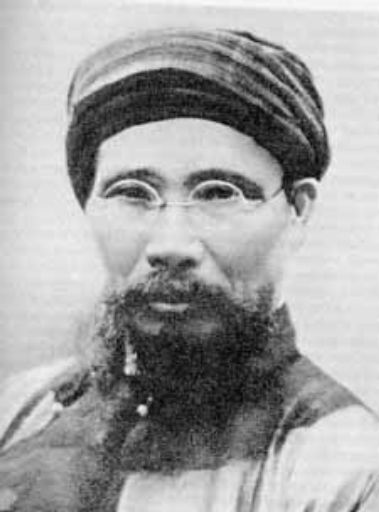
Quick Facts
A tireless Vietnamese nationalist who fused scholarship and revolution to challenge French colonial rule and inspire independence movements.
Conversation Starters
Life Journey
Born into a scholarly family in Nam Đàn, Nghệ An, in a Vietnam increasingly pressured by French expansion. He grew up immersed in classical learning as local elites debated how to respond to colonial encroachment.
As the Cần Vương movement spread after the fall of Huế, he witnessed calls to “aid the king” and resist French control. The turmoil convinced him that scholarship alone was insufficient without organized national action.
He advanced through the Confucian examination system, gaining status among Vietnam’s scholar-gentry. The credential broadened his network, allowing him to circulate reformist and anti-colonial ideas more effectively.
He began looking beyond Vietnam for allies, exploring regional politics and the lessons of Meiji-era modernization. These journeys marked a shift toward international strategy rather than purely domestic petitions or appeals.
He helped establish the Duy Tân Hội and promoted Prince Cường Để as a rallying figure against French rule. The group aimed to combine patriotic legitimacy with modern organization and overseas fundraising.
He went to Japan seeking models of reform and potential backing from Japanese political circles. There he cultivated contacts and began organizing Vietnamese youths for study abroad as future cadres.
He coordinated the Đông Du program, sending Vietnamese students to Japanese schools and military academies. The effort tied education to revolution, hoping trained youth could modernize Vietnam and resist colonial rule.
He produced political essays and histories that reframed Vietnam’s plight as a national crisis under colonial domination. His publications circulated among expatriates and students, sharpening an emerging modern nationalist vocabulary.
French authorities intensified repression and pressured regional governments to curtail Vietnamese revolutionary activity. He struggled to keep networks funded and secure as informants and police scrutiny disrupted communications.
Under French diplomatic pressure, Japan expelled many Vietnamese students and activists linked to the Đông Du movement. He relocated and attempted to rebuild operations, recognizing the limits of relying on state sponsors.
In the wake of China’s revolutionary changes, he supported organizing the Việt Nam Quang Phục Hội to pursue independence more directly. The league promoted activism and propaganda, reflecting a move toward republican ideas.
He was arrested during shifting alliances among Chinese officials and competing Vietnamese factions. Detention disrupted his operations, yet he continued writing and planning, treating imprisonment as another front in the struggle.
He re-engaged overseas networks as new Vietnamese groups emerged and communist ideas gained traction in the region. Competing strategies forced him to clarify his goals while maintaining broad nationalist appeal.
Agents seized him in Shanghai and transferred him to French colonial custody, shocking Vietnamese activists abroad. The episode demonstrated the reach of colonial policing and the vulnerability of exile politics.
French officials staged a high-profile trial to deter nationalist organizing. Public sympathy and petitions helped commute harsher punishment, and he became an enduring symbol of sacrifice for the independence cause.
He was confined under surveillance, limiting travel and political coordination while allowing limited writing and visits. Even constrained, his presence in Huế drew students and admirers who treated him as a living conscience.
As new parties and labor movements grew, younger activists debated his legacy and methods. His earlier emphasis on education, organization, and national dignity continued to shape discussions of strategy and legitimacy.
He died still under colonial restrictions, closing a life spent linking scholarship to liberation. His writings and networks remained foundational references for later Vietnamese independence leaders and movements.