Quick Facts
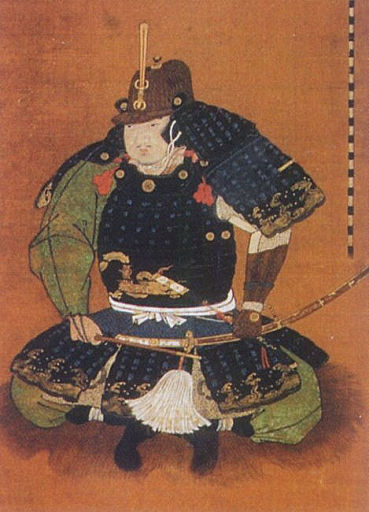
A ruthless upstart warlord who toppled old elites, mastered intrigue, and reshaped Sengoku-era Mino politics.
Conversation Starters
Life Journey
Born in Japan as the Ashikaga shogunate’s control weakened and local conflicts intensified. Later stories portray humble origins that shaped his hunger for power and talent for political reinvention.
As a young man he moved through merchant and temple-linked networks, gaining access to travel, money, and information. These experiences taught him leverage and persuasion beyond conventional samurai apprenticeship.
He attached himself to elites around Mino, learning land management, taxation, and castle politics. By watching rival retainers, he mapped weaknesses inside the Toki clan’s fractured governance.
He cultivated capable local fighters and administrators, offering advancement tied to results rather than lineage. This merit-driven circle made him dangerous to conservative houses that relied on inherited privilege.
Using marriages, hostage exchanges, and promises of land, he isolated competing factions one by one. Mino’s politics became a battlefield of letters and oaths as much as swords and spears.
He exploited succession disputes and the Toki clan’s loss of authority to seize effective control. By placing loyal men in key posts, he turned Mino’s government into a personal machine of rule.
He reorganized defenses around strategic fortresses, focusing on mountain approaches and river routes. Control of granaries and checkpoints increased revenue and tightened his grip over competing local lords.
From Inabayama Castle, he balanced threats from Owari and neighboring provinces with rapid diplomacy. His court rewarded loyalty while ruthlessly punishing defection, projecting fear and stability at once.
He expanded control over market towns and road tolls, turning commerce into military funding. By regulating shipments and rice taxes, he could raise troops quickly without relying on old aristocratic patrons.
He arranged the marriage of his daughter Nohime to Oda Nobunaga, seeking a durable border alliance. The match linked Mino’s upstart ruler to a rising Owari house and reshaped regional calculations.
He promoted his son Saito Yoshitatsu to prominent responsibilities, expecting continuity of the Saito state. Rumors of adoption, lineage disputes, and favoritism, however, quietly poisoned the household’s cohesion.
Tensions rose between Yoshitatsu and senior retainers whose influence centered on Dosan’s personal authority. The castle became divided into camps, with whispered accusations and armed entourages shadowing daily life.
Yoshitatsu moved against Dosan’s supporters, killing key figures and overturning the succession order. The purge shattered the image of a unified Saito house and pushed father and son toward open war.
Dosan confronted Yoshitatsu’s forces near the Nagara River as Mino erupted into civil conflict. He was overwhelmed and killed, ending his dramatic rise and leaving the province under Yoshitatsu’s control.
After his death, later writers framed him as the "Viper of Mino," a symbol of Sengoku opportunism and cunning. His career became a cautionary story about ambition, succession, and the cost of power.