Quick Facts
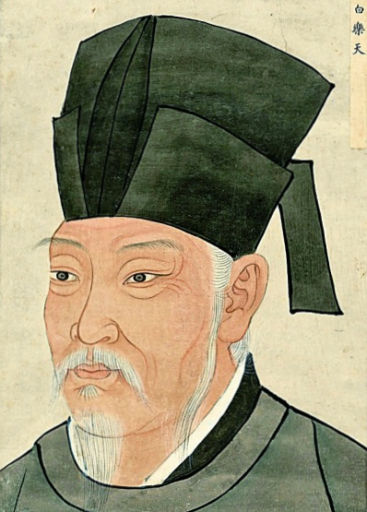
A socially minded Tang poet-official who wrote lucid, compassionate verse critiquing inequality and everyday suffering.
Conversation Starters
Life Journey
Born in the Tang empire during a period of post-An Lushan rebuilding and fiscal strain. Family traditions in learning and service shaped his early ambitions, later reflected in his moral, public-minded poetry.
As a boy he studied the Classics, history, and regulated verse expected of examination candidates. The discipline of memorization and commentary trained his later habit of linking lyric expression to ethical judgment.
He began pursuing the civil service path that dominated Tang elite life, competing in a crowded, merit-based system. The exam culture sharpened his prose style and encouraged poems that argued for practical governance.
He earned the prestigious jinshi degree, opening the door to central government appointments in Chang'an. Success confirmed his belief that writing could serve the state, not merely personal fame, and widened his literary network.
Entering officialdom, he learned the routines of memorials, edicts, and administrative review. First-hand exposure to taxation and labor burdens later fueled poems that sympathized with peasants and criticized wasteful policies.
He developed a close friendship and poetic exchange with Yuan Zhen, sharing ideals about clarity and social utility in literature. Their correspondence and mutual critique helped shape the influential “New Yuefu” reform movement.
Amid debates about court reform, he wrote ballads modeled on Han “Yuefu” to expose hardship and corruption. The poems aimed to be read aloud and understood easily, treating literature as a tool of moral persuasion.
He served in the Hanlin Academy, drafting documents close to the emperor and observing palace politics at short range. The position brought prestige but also risk, as frank speech could quickly collide with powerful factions.
After political upheaval and sensitivity at court, his blunt critiques helped trigger punishment and removal from the capital. Sent away as a local official, he experienced provincial hardship directly, deepening his empathy in verse.
While in Jiujiang he encountered a pipa musician and transformed the meeting into a celebrated narrative poem. The work blends personal displacement with the performer’s lost status, portraying Tang society’s fragile fortunes.
He produced long, story-driven poems that reimagined the court romance of Emperor Xuanzong and Yang Guifei. By mixing romance with political caution, he offered a popular, memorable lens on Tang history and moral decline.
As factions changed, he was recalled to more reputable posts and re-entered mainstream administration. The rehabilitation showed how Tang officials could fall and rise rapidly, a theme echoed in his reflective, autobiographical poems.
In regional appointments he focused on taxation fairness, granary management, and relief for commoners. His poetry from this period records concrete scenes—markets, farms, and rivers—linking administration to everyday life.
Governing in the prosperous south, he balanced infrastructure and social order while maintaining an active literary circle. The contrast between Jiangnan abundance and northern hardship sharpened his awareness of regional inequality.
By his late fifties he held respected titles and had wide circulation of his collected works. His accessible diction made his poems popular beyond the court, spreading through manuscripts among monks, merchants, and students.
He spent more time in Luoyang, embracing quieter living, garden routines, and friendships with clerics and literati. Buddhist-inflected reflections on aging and impermanence became more prominent in his late style.
He carefully edited poems and prose, shaping how later readers would encounter his moral voice and narrative craft. This self-curation helped secure his reputation as a model of clarity, balance, and public conscience.
He died in Luoyang, leaving a vast body of poems that remained widely copied across East Asia. Later generations praised him for humane feeling and plainspoken elegance, viewing him as poetry’s advocate for common life.